
— ACADEMIC CURRICULUM
The Eden Program:
Multilingual Immersion.
— THE PROGRAM
Compatible with
the Swiss and Geneva school systems.
Understanding the various school system options available in Geneva is important, as they have a significant impact on the ages at which children enter and leave school.
Ecole Eden follows the Swiss national curriculum (HarmoS) and incorporates the French-speaking Switzerland curriculum (PER), which is the curriculum used in the French-speaking cantons of Switzerland, thereby enabling children to continue their education at the school of their choice.
ECOLE EDEN SYSTEM (Based on the French system)
— Age 2 → Preschool
— Age 6 → Elementary School
— Age 11 → End of elementary school
GENEVA SCHOOL SYSTEM (HarmoS)
— Age 4 → Preschool
— Age 6 → Elementary School
— Age 12 → End of elementary school
BEYOND ACADEMIC SKILLS
All children graduating from Ecole Eden transition seamlessly into the Swiss public school system at the secondary level. Eden’s academic program is fully recognized by Swiss authorities.
In addition to these academic skills, your child will have developed their social-emotional skills, independence, and self-confidence.
"By combining music and movement in our multilingual program, we create a dynamic and stimulating environment that encourages learning."
ECOLE EDEN
Multilingual immersion
starting in the early years.
Each age group follows a distinct set of subjects, taught in three languages.
— SUBJECTS BY AGE GROUP
Preschool
Ages 3 to 5, inclusive
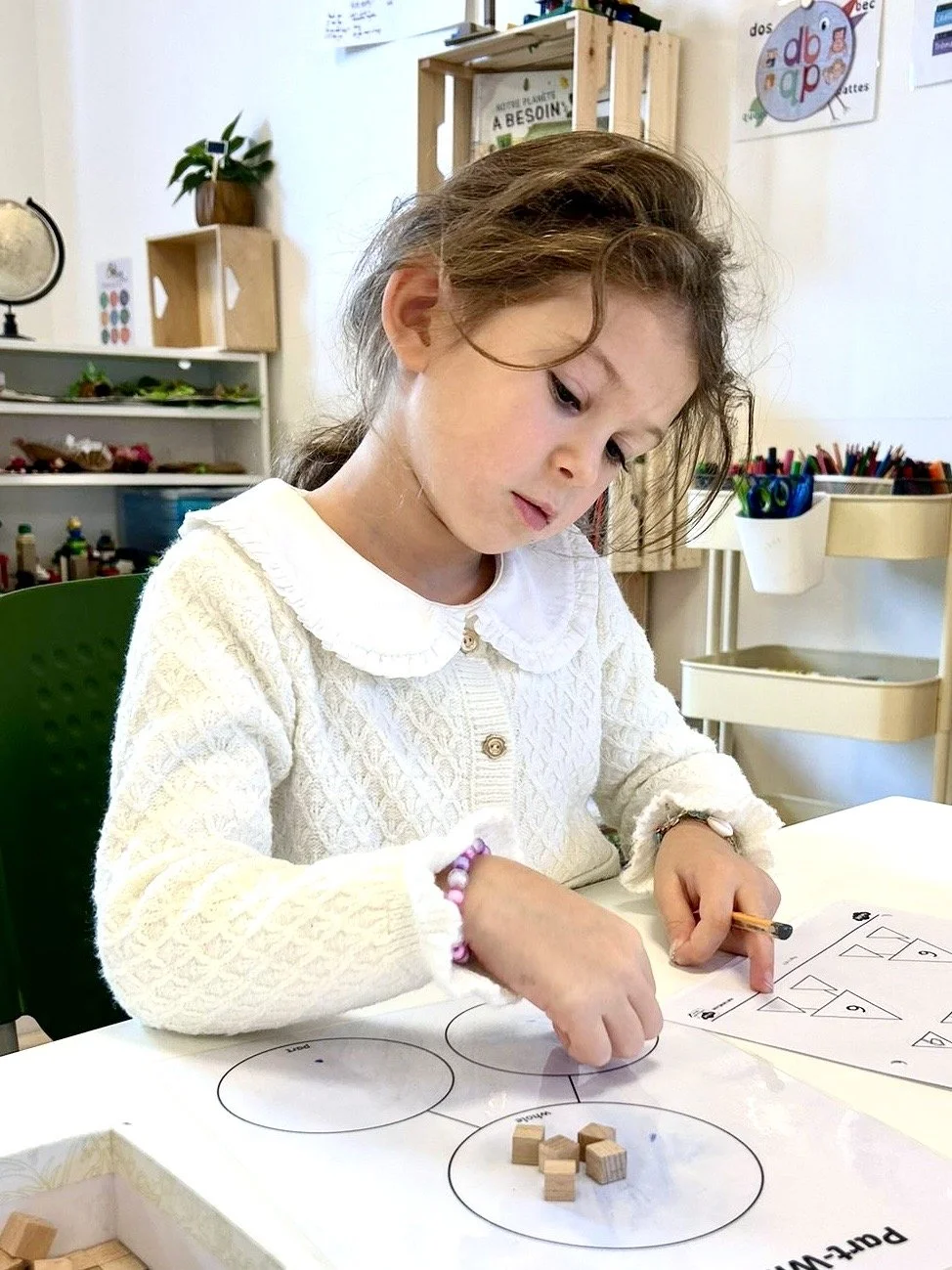
Preschool is a crucial stage in your child’s development. It is during this time that they acquire the fundamental skills that will prepare them for future learning. Through our program, we place special emphasis on your child’s emotional security and self-confidence. We understand the importance of fostering a caring environment where exploring, expressing oneself, and building learning step by step are essential to a child’s development.
French
French
Mindfulness / Brain-Body Connection
Dance / body expression / motor skills
Project
Literature
Art
Discovering the world
Philosophy circle
English
English
Literature
Mathematics
Project
Discovering the world
German
German
Music
Elementary School - 1st–2nd Grade
Ages 6 to 8, inclusive
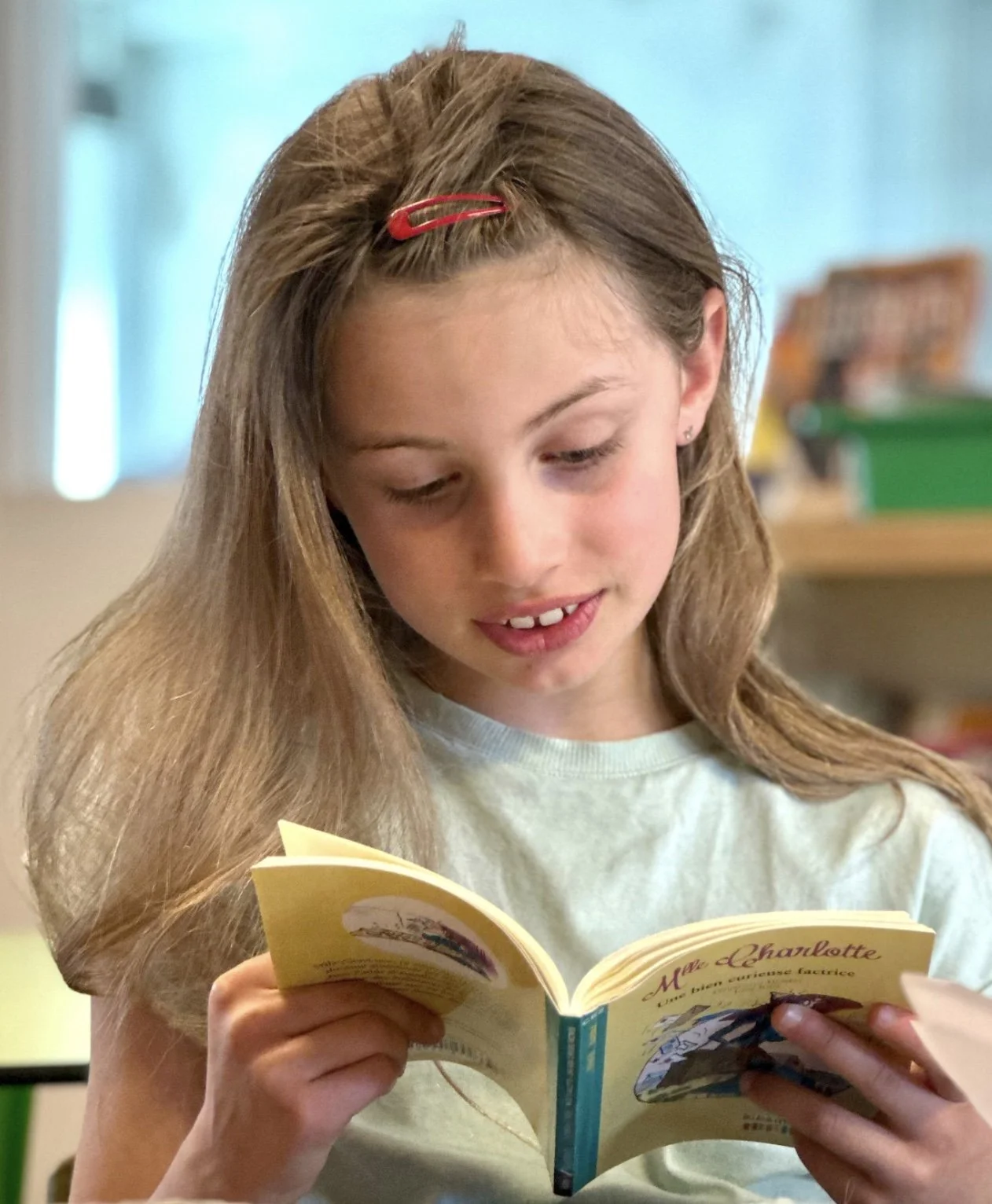
Elementary school is an important stage in a child’s educational journey, during which they acquire the basic skills necessary for their intellectual, social, and emotional development.
The CP/CE1 program spans two years, covering children from age 6 to 8. The elementary school curriculum focuses on a wide range of core subjects, such as mathematics, science, reading, writing, history, geography, languages, art, and physical education.
French
French
Dance / Theater - Movement
Philosophy circle
Mindfulness / Brain Ball
Literature
Art
Cooperative games
Encoding
English
English
Literature
Mathematics
Project-based learning
German
German
Music
Elementary School - 3rd Grade / 4th Grade / 5th Grade
Ages 9 to 11, inclusive
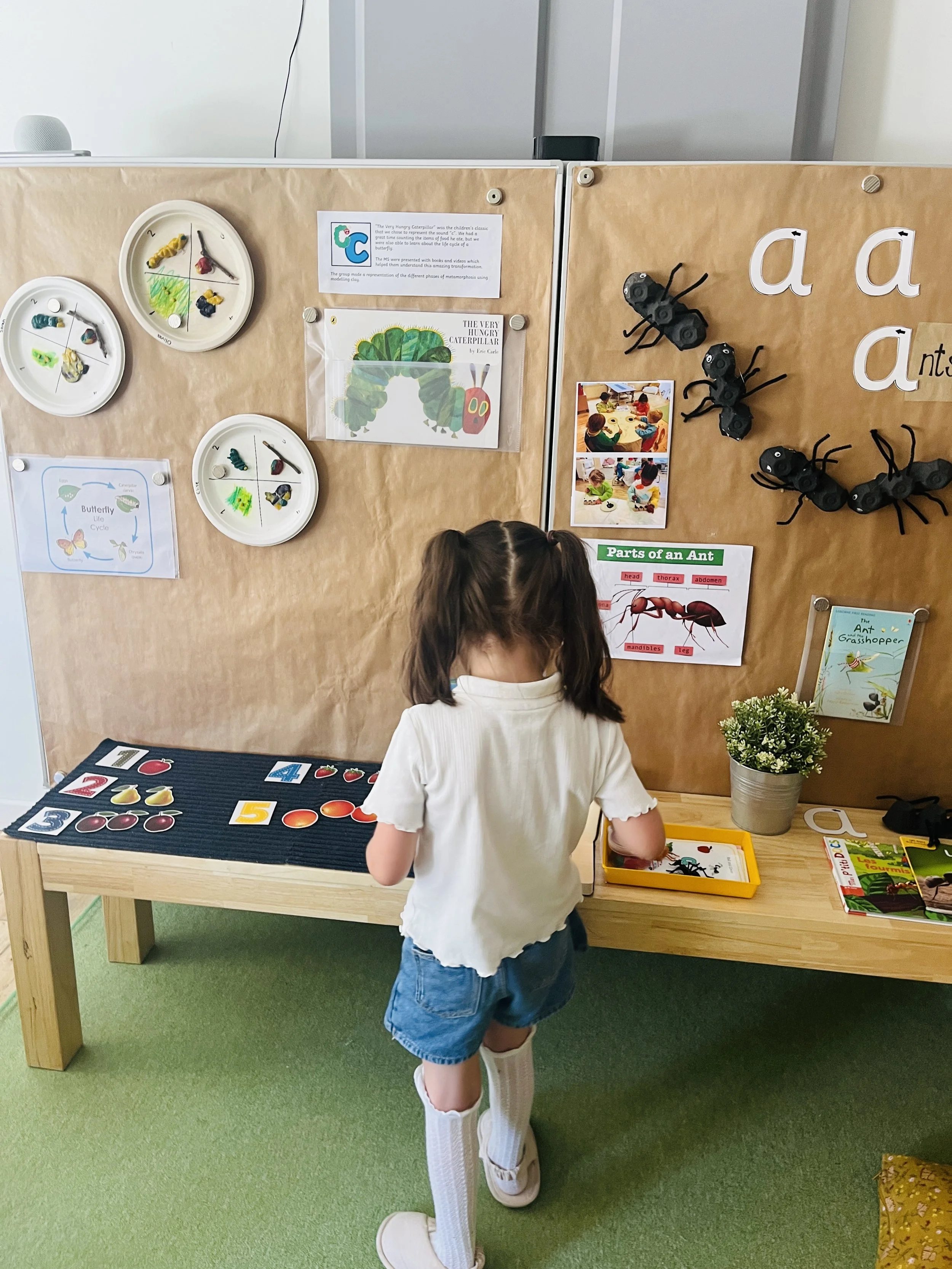
The CE2/CM1/CM2 grade levels span a five-year period, covering children aged 9 through 11.
The main objective of elementary school is to provide students with a strong foundation of knowledge and cultivate essential skills. This encompasses acquiring literacy skills, mastering mathematical concepts, problem-solving, as well as fostering communication and collaborative abilities.
French
French
Mindfulness / Brain Ball
Philosophy circle
Chess
Eco-School
Art
Theater and Movement
Encoding
English
English
Literature
Mathematics
Project-based learning
German
German
Geography
Sport
— OUR EDUCATIONAL APPROACH
The principles behind
each lesson.
Adaptive learning
Our multilingual program is designed to meet the individual needs of each child. We strive to nurture all aspects of your child’s development. Rather than opting for a larger campus, we have deliberately chosen to maintain a school whose size allows us to remain dynamic and flexible.
Movement and Learning
Physical activity plays a vital role in your child’s educational and physical development. We actively encourage participation in physical activities, free and structured play, as well as group exercises. Through physical activity, your child develops gross motor skills, coordination, muscle strength, and balance. Physical activity also promotes concentration, self-control, and coordination skills.
Language immersion
Our multilingual program offers many benefits for your child: overall well-being, improved auditory perception, memory stimulation, enhanced language and communication skills, improved coordination and motor control, and encouragement of creativity and self-expression. By incorporating songs, rhythms, and musical games into daily activities from an early age, we stimulate all aspects of your child’s development.
Philosophy and Critical Thinking
Through philosophy and critical thinking, Ecole Eden fosters children’s critical thinking by encouraging them to think for themselves, to listen, to ask questions, and to work in groups.
Nine principles
at the heart of our work.
Every activity, every interaction, and every space is designed around these principles, which are directly rooted in the school’s approach to early childhood development.
— OUR EDUCATIONAL APPROACH
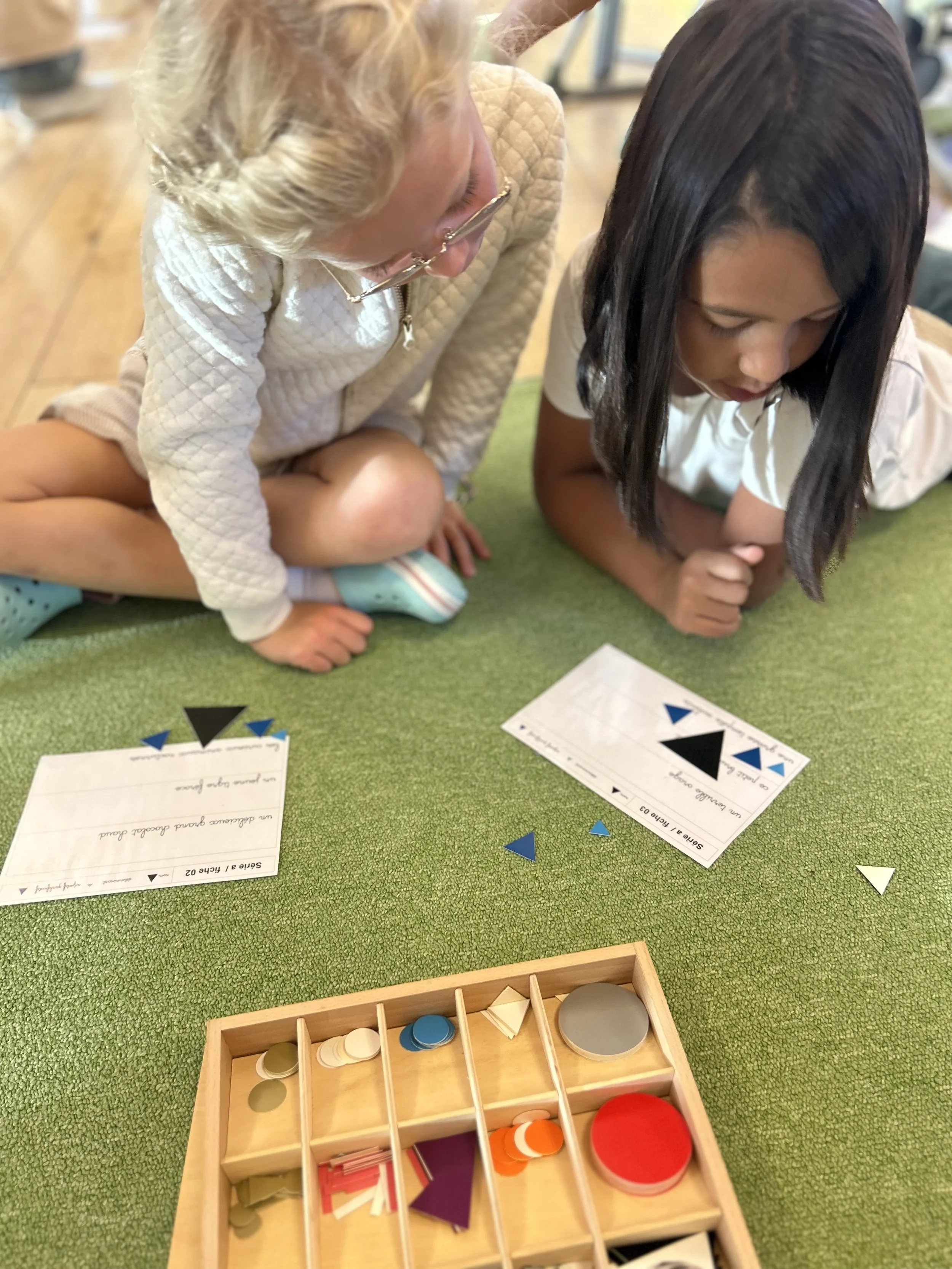
Differentiated instruction starting at age 3
An essential foundation of confidence, this sense of personal achievement—experienced day after day—forms the basis of self-confidence, which gradually becomes the driving force behind all future learning.
1
2
Learning from mistakes
At Ecole Eden, making a mistake is never a failure; it’s a starting point.
From the very beginning, we instill in children the right to try, the right to make mistakes, and the right to try again.
From manipulation to conceptualization
Fundamental learning is rooted in hands-on experience. At Eden, everything begins with physical action, hands-on activities, and sensory exploration. The natural progression from experience to thought fosters a deep understanding that lasts a lifetime.
3
4
Music: A Powerful Ally
Every day, the children take part in music workshops led by a professional musician. Music stimulates the same areas of the brain as language: memory, attention, and coordination. It helps improve concentration, fine motor skills, a sense of rhythm, and teamwork.
Move to Grow
Through a daily dance workshop inspired by ethnic dance movements and led by a dancer and psychomotor therapist, children develop an awareness of their own bodies and their place among others.
This work supports gross motor skills, refines fine motor skills, and strengthens the body awareness essential to all learning.
5
6
Connect with nature
Children discover the cycle of nature: what it offers, what it teaches, and the responsibility to preserve it.
Observing the seasons, sorting, planting, and harvesting—these are all activities that foster environmental awareness and respect for living things.
7
Project-based learning in schools
Between the ages of 3 and 6, academic fundamentals are gradually integrated in a rigorous yet seamless manner. Reading, language, numeracy, and spatial and temporal concepts are incorporated into hands-on projects.
Learning to Live Together
From a very young age, children learn to identify and express their own emotions, to listen to others’ feelings, and to resolve conflicts respectfully. They discover that everyone may feel differently.
They develop empathy, active listening, and a sense of community.
8
9
A place to grow, learn, and take risks
Everything we do is aimed at a single goal: to help every child grow up with respect for themselves and others. This is how independence, confidence, critical thinking, and social connections develop, starting at age 3.
Ready to see the program in action?
Book a campus tour and sit in on a class in Veyrier.