MOVEMENT
A physical approach to support the overall development of children
Kindergarten
4 periods per week
Primary
1 period per week
At Eden School, movement is considered an essential component of development and learning. The body is not separate from the mind: it is its support. By engaging in movement from an early age, children develop their inner readiness, their ability to pay attention, and their relationship with themselves and others.
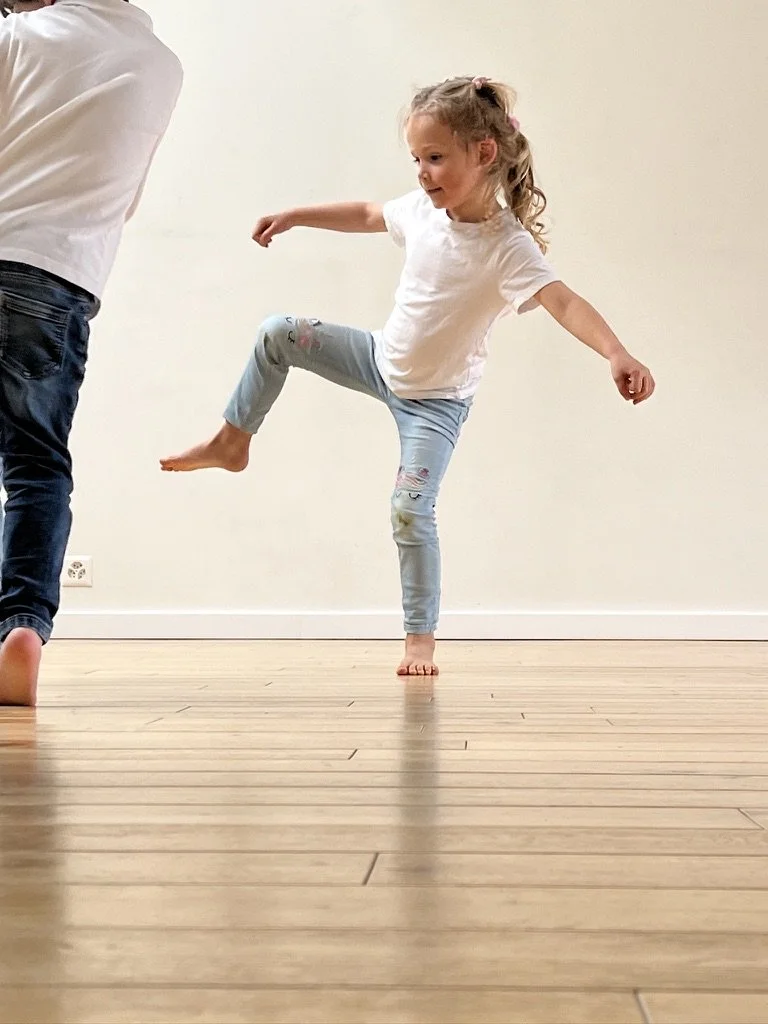
The focus of movement at Eden is neither performance nor results. It is a learning space where children develop a better understanding of themselves, learn to navigate their emotions, and explore the balance between control and freedom. This educational approach provides lasting support for the development of executive functions, attention, and confidence, which are closely linked to academic learning.
By integrating movement into the heart of its teaching methods, École Eden supports each child holistically, recognizing the body as an essential lever for learning, well-being, and self-development.
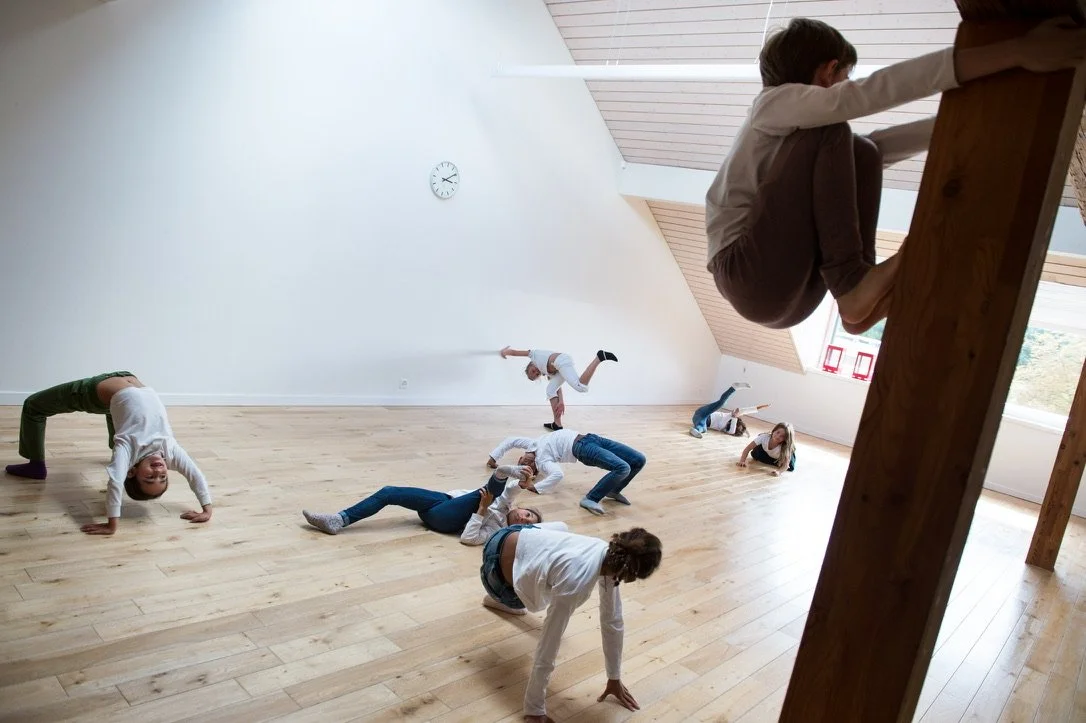
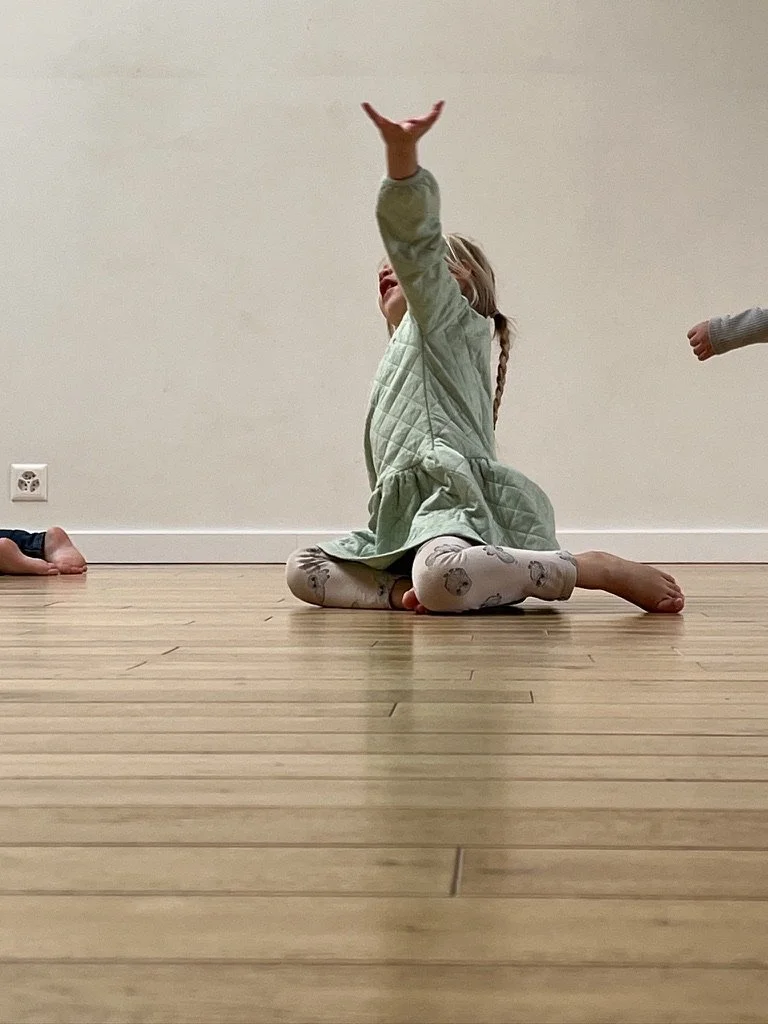
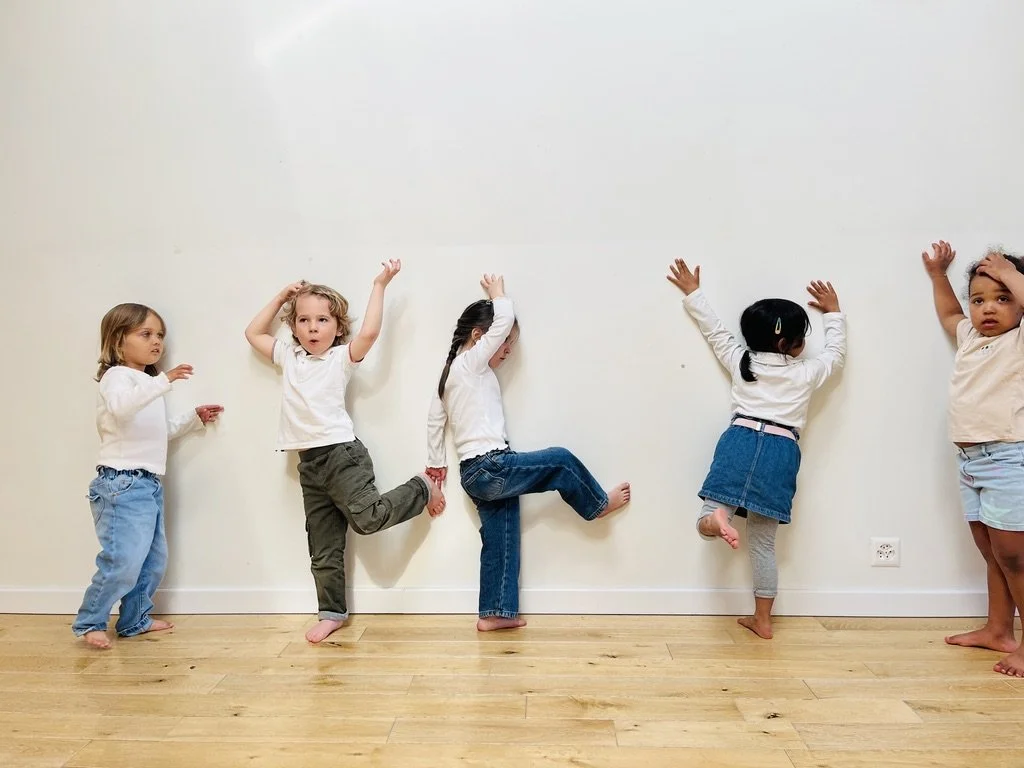
In kindergarten, movement time plays an active role in building fundamental reference points. Children learn to situate themselves in space, coordinate their movements, refine their body awareness, and better perceive their sensations. This gradual exploration of the body promotes grounding, inner security, and the ability to relate to others in a calm manner. It provides a solid foundation for the development of autonomy, self-confidence, and emotional regulation.
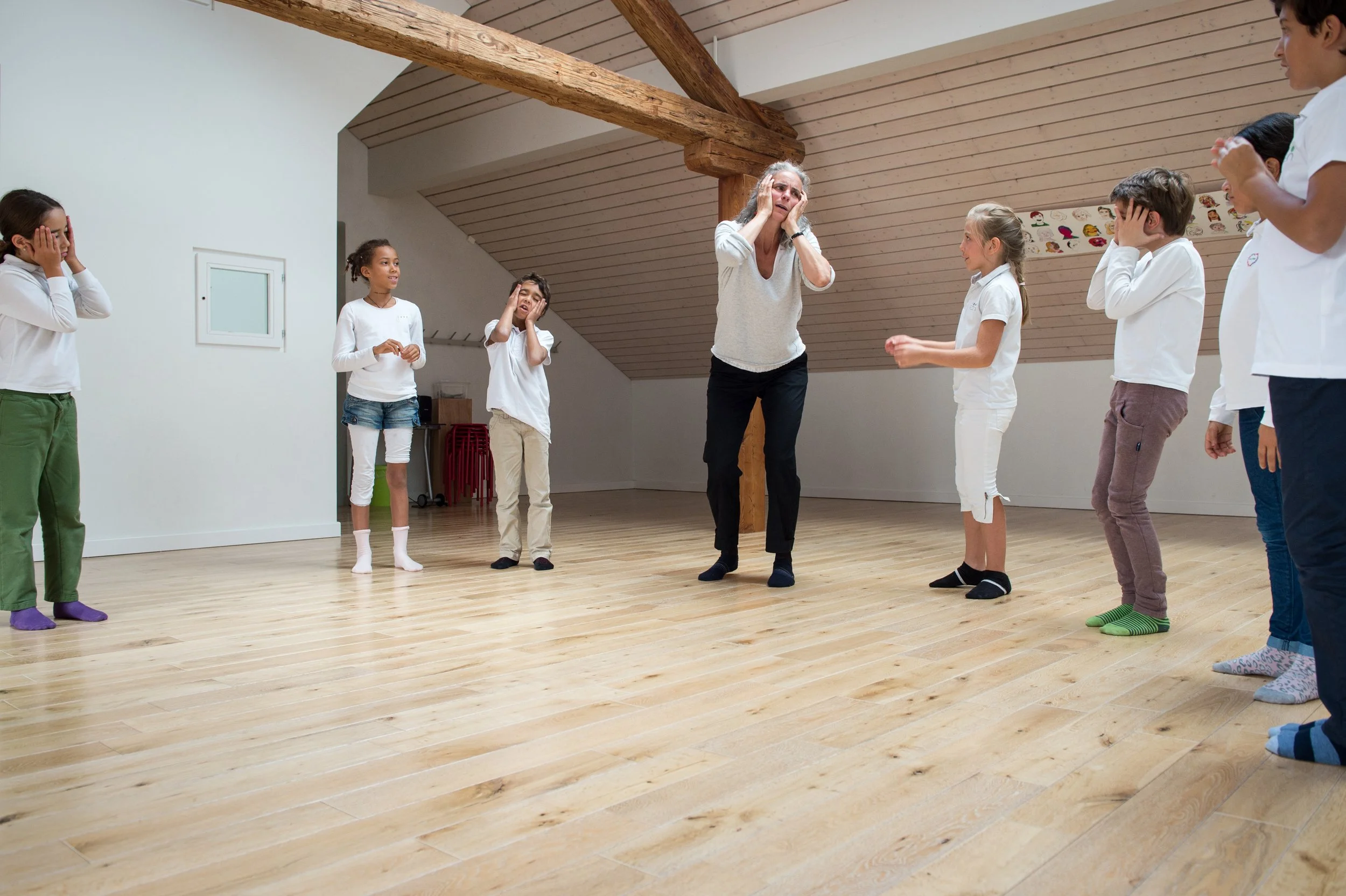
In elementary school, this approach is extended through movement theater. Physical and vocal work becomes a more elaborate space for exploration, allowing students to express ideas, emotions, and intentions through their bodies and voices. By creating, experimenting, and adjusting their ideas, children develop their creativity, self-awareness, and ability to fully engage in a situation.
Some educational situations deliberately introduce more structured frameworks. These moments encourage students to modulate their energy, adjust their behavior, and become aware of their place within the group. This work reinforces self-control, frustration tolerance, and social skills, while respecting each individual's pace and sensitivity.